

Native vs Exotic Species: Which Should You Choose for your Food Forest?

Updated: Aug 20, 2025

Why Native vs Exotic Species Matters in Food Forests
When creating Mini Food Forests, permaculture gardens, or agroforestry systems, one question often sparks debate: Should we plant only native species, or include carefully chosen exotic plants too?
This decision shapes biodiversity, soil health, and climate resilience—and it impacts how quickly ecosystems can regenerate.
Native species are adapted to local conditions, supporting wildlife and restoring natural balance.
Exotic species, when introduced responsibly, can accelerate forest growth, improve soil fertility, and increase food diversity for communities.
At Biggest Mini Forest, we believe the answer isn’t black or white. It’s about balance and context. That’s why our approach blends the best of three powerful models:
The Miyawaki Method – native-only restoration
Syntropic Agriculture – dynamic succession with native and exotic species
Permaculture Food Forests – design for abundance and resilience
In this article, we’ll explore each approach, share why we sometimes integrate exotic plants, and explain how this creates thriving, regenerative ecosystems that nourish both nature and people.
What Are Exotic Species and Why To Consider Them?
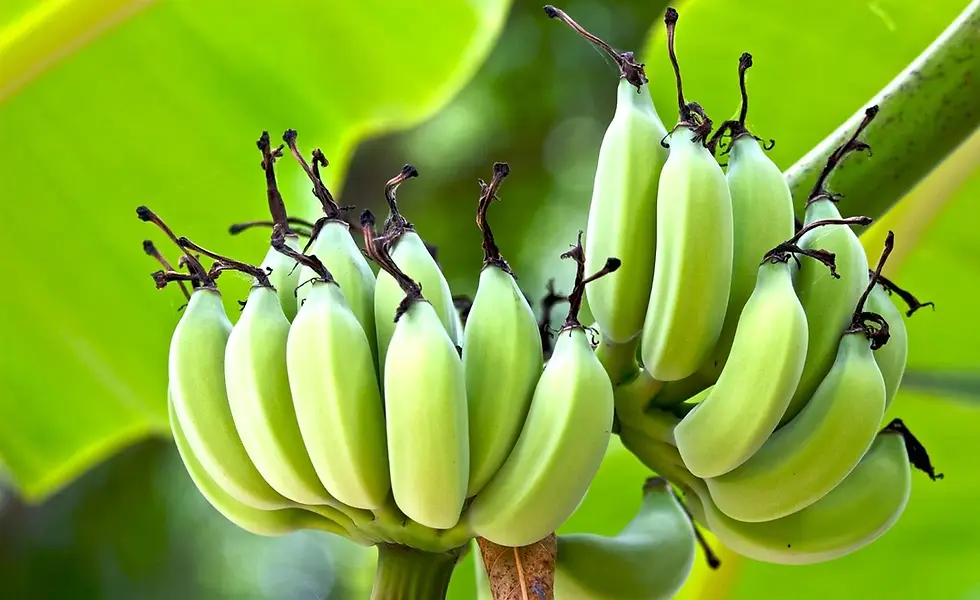
Before we dive deeper into the debate, let’s clarify what we mean by exotic species—and what we don’t.
An exotic species (also called non-native or introduced species) is any plant that originates from a different geographic region than the one it is currently growing in. Plants have traveled with humans for thousands of years, crossing continents through trade, migration, and cultural exchange.
Today, many species we consider “common” were once exotic:
Oranges came from South Asia
Apples originated in Central Asia
Kiwis came from China before being cultivated worldwide
Over centuries, these plants have adapted to local climates and, in many cases, become integral to regional diets and economies.
Are Exotic Plants the Same as Tropical Plants?
A common misconception is that exotic means tropical, but that’s not true. Exotic simply refers to a plant not native to the local region—it could come from a similar climate zone. For example, lavender in Brazil is exotic but not tropical.
Difference Between Exotic and Invasive Plants
Nem todas as plantas exóticas são prejudiciais. Espécies invasoras são aquelas que se espalham agressivamente, competem com as plantas nativas e perturbam os ecossistemas. São uma pequena parte das exóticas, e um design regenerativo responsável garante que sejam evitadas.
Por que é isso importante? Porque o papel das espécies exóticas na agrossilvicultura, nas florestas alimentares de permacultura e no projeto de mini florestas alimentares depende do contexto. Quando escolhidas com sabedoria e geridas com responsabilidade, as espécies exóticas podem apoiar a regeneração, fornecer alimentos e acelerar a sucessão ecológica sem ameaçar a biodiversidade local.
Why is this important? Because the role of exotic species in agroforestry, permaculture food forests, and Mini Food Forest design is context-dependent. When chosen wisely and managed responsibly, exotics can support regeneration, provide food, and accelerate ecological succession without threatening local biodiversity.
The Debate in Agroforestry and Regeneration

When it comes to designing food forests, permaculture gardens, or agroforestry systems, the conversation about native vs exotic species has been going on for decades. Each perspective brings valid concerns and strong arguments.
Here’s a quick look at the benefits of each:
Benefits of Native Species
Adapted to Local Conditions: Native plants thrive in local climates, soils, and seasonal cycles.
Supports Biodiversity: They provide food and habitat for native wildlife, pollinators, and microorganisms.
Lower Risk of Disruption: Indigenous species integrate naturally into the ecosystem without threatening local balance.
Benefits of Exotic Species
Accelerated Growth: Many exotic plants grow faster and create quick canopy cover and a microclimate that can protect more delicate native species.
Improved Soil Fertility: Some exotics, such as nitrogen-fixing trees, help restore degraded soils.
Increased Food Diversity: Exotic fruit trees and perennial crops can offer nutritional and economic benefits.
At Biggest Mini Forest, we see value in both approaches. The key is intention and responsibility, using exotics carefully and only when they enhance regeneration, rather than harm it.
Three Key Approaches to Forest Design
Around the world, different methods guide how we restore ecosystems and design food forests or agroforests. Each approach has its strengths and philosophies. At Biggest Mini Forest, we draw inspiration from three major models:
The Miyawaki Method – Native-Only Forests
Developed by Japanese botanist Dr. Akira Miyawaki, this method is known for creating dense, fast-growing forests using only native species. By planting a variety of local trees and shrubs close together, the Miyawaki approach recreates the natural layers of a forest in a fraction of the time.
Why it works:
Dense and biodiverse plantation stimulate plants to grow faster and search for the light
Builds strong, resilient ecosystems suited to local conditions
Improves soil health and supports wildlife
Ideal for urban greening and biodiversity restoration
Syntropic Agriculture – Blending Native and Exotic Species
Pioneered by Ernst Götsch in Brazil, Syntropic Agriculture is a succession-based system where plants—both native and exotic—are organized in layers and time cycles to regenerate soil and produce food.
Why it works:
Accelerates ecosystem recovery through constant pruning and organic matter cycling
Uses fast-growing exotic plants as pioneers so it can quickly create a microclimate and a source of biomass to accelerate the the soil health and fertility
Integrates fruit trees and edible plant species with forest species, combining restoration and productivity
Permaculture Food Forest – Design for Abundance
Permaculture offers a holistic design system for creating self-sustaining food-producing ecosystems. Using permaculture design zones, forest layers, and companion planting, permaculture food forests are designed for human needs and ecological health.
Why it works:
Combines fruit trees, shrubs, herbs, and ground cover for year-round harvests
Enhances soil fertility, water management, and biodiversity
Perfect for both urban gardens and larger rural landscapes
At Biggest Mini Forest, we take the best of these approaches to create ecosystems that are productive, resilient, and deeply regenerative.The next section will explain exactly how we do it.
The Biggest Mini Forest Approach: A Balanced Perspective

At Biggest Mini Forest, we believe in balance and pragmatism. Nature thrives on diversity—and so do regenerative systems. Instead of strictly following one method, we integrate the best principles from Miyawaki, Syntropic Agriculture, and Permaculture Food Forests to design ecosystems that heal the land, produce food, and empower communities, following a simple design method.
Why? Because our mission is not only to restore ecosystems but also to make them functional and abundant for people. Here’s how our approach works:
1. Accelerated Growth and Soil Regeneration
Fast-growing species, in some case exotic, can create canopy cover quickly, protecting delicate native plants from harsh sun and wind. These species, when pruned regularly, add massive amounts of organic matter, boosting soil health and water retention.
2. Supporting Ecosystem Services
Certain species, including exotic, act as nurse plants—providing shade, fixing nitrogen, and improving soil structure—creating the perfect conditions for more delicate and demanding trees and shrubs to thrive.
3. Enhancing Food Diversity and Nutrition
By including food-producing species from other parts of the world such guava, feijoa, tamarillo, different types of berries we increase food security and add diversity to the local diet—supporting community well-being and food sovereignty.
4. Climate Adaptation and Resilience
As climate patterns shift, some exotic species offer greater tolerance to extreme conditions, creating condition for other to thrive, ensuring the long-term survival and productivity of the forest.
Our principle: Exotics are tools—not rulers. They play their part early on but never dominate the ecosystem. Over time, native species take center stage as the forest matures, keeping the system aligned with local ecology.

Our Ethical Framework for Using Exotic Species
At Biggest Mini Forest, we don’t add exotic species without intention. Every choice we make is guided by ecological responsibility and long-term resilience. Here’s how we ensure our forests remain safe and beneficial for the environment:
Avoiding Invasive Species
We never include plants known to become invasive or spread uncontrollably through root suckers or aggressive seed dispersal. Our priority is always to protect local biodiversity.
Careful Selection and Testing
We work with species that have proven to coexist harmoniously with native plants. When introducing new species, we study their behavior and ensure they support, not disrupt, the system.
No Unknowns
We advise against using species without proper research. Every plant in a Mini Food Forest should serve a purpose—whether it’s providing shade, food, nitrogen fixation, or organic matter.
If you don't know the species, you can always use the Plant Net App to identify it.
Ongoing Monitoring and Adaptive Management
Including exotics doesn’t mean leaving them unchecked. Our design process includes continuous observation and management, making sure these species remain allies and never threaten the ecosystem.
Our goal is simple: use exotic species as tools to accelerate regeneration—not as replacements for native biodiversity.
Designing the Future of Regenerative Mini Food Forests
At Biggest Mini Forest, we believe that restoring ecosystems is not just about planting trees—it’s about designing resilient, living systems that feed both nature and people. By blending the knowledge of native or indigenous species with the strategic use of non-invasive exotics, we can accelerate regeneration, create climate-adaptive ecosystems, and build communities rooted in abundance and connection with nature.
Every Mini Food Forest we plant is more than a garden—it’s a movement toward food sovereignty, biodiversity, and ecological resilience. Whether you live in a city or the countryside, you can be part of this transformation.
🌱 Ready to Start Your Journey?
📅 Join a Mini Food Forest Training
Together, we can regenerate the planet, one Mini Forest at a time.
Related Topics:
Mini Food Forests, Permaculture Food Forest Design, Agroforestry Systems, Syntropic Agriculture, Miyawaki Method, Native vs Exotic Species, Regenerative Agriculture, Climate-Resilient Farming, Soil Regeneration Techniques, Food Sovereignty, Sustainable Food Production, Forest Garden Design.
List of Reference Website Links With More About This Topic
Scientific and Research Articles
Native or Exotic: A Bibliographical Review of the Debate on Urban Green Spaces
Comprehensive review of global research on the ecological performance of native vs. exotic species in various environments.
Why do farmers plant more exotic than native trees? A case study from the Western Ghats, India
Explores farmer motivations, productivity, and ecosystem implications of planting exotic versus native trees.
Home sweet home: Evaluation of native versus exotic plants for pollinator visitation
Detailed assessment of species richness and pollinator activity in plantings of native and exotic species.
Ecological Impacts of Exotic Species on Native Seed Dispersal Systems
Systematic review of the complex roles exotic species play in mutualistic plant–disperser interactions, highlighting both positive and negative impacts.
Experimental analysis on how interactions between native and exotic species affect growth and establishment in tropical environments.
Implications for transitional forestry in Aotearoa New Zealand
Study assessing plant diversity in native and exotic forests to inform reforestation approaches.
Additional Contextual and Discussion Sources
US Forest Service: Effects of Exotic Species on Forest Ecosystems
Discussion on how exotic canopy dominants alter succession, recruitment, and native biodiversity.
YouTube: Native VS Non-Native Plants in The Food Forest (Permaculture Nordic Food Forest)
Visual overview and real-world examples comparing native and non-native plant dynamics within food forest systems.


Comments